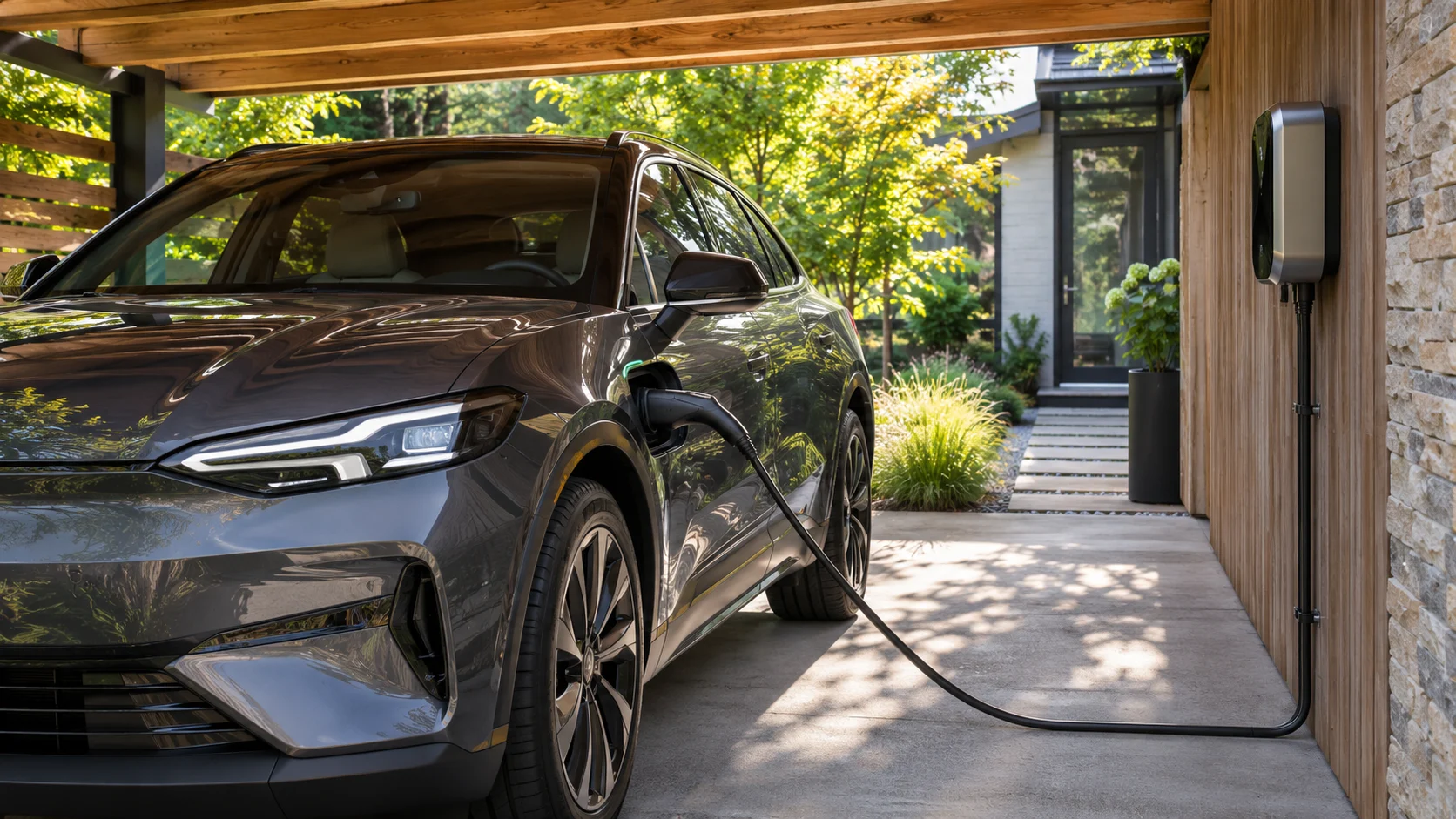
Everyday EV charging becomes easier when you match the charging routine to your actual driving. Start with how far you usually travel, where the car parks, and what charging equipment it can use. You do not need the fastest charger for every session, and a full battery is not automatically the right daily target for every vehicle.
Your vehicle’s handbook and charging instructions come first. Battery recommendations, connector compatibility, and charging controls vary. Build a routine that meets tomorrow’s needs while leaving enough flexibility for an unexpected journey or an unavailable charging location.
Understand the three common charging options
In the United States, Level 1 generally uses a compatible 120-volt supply, while Level 2 uses higher-voltage AC equipment. DC fast charging supplies direct current through compatible public equipment. These labels describe charging arrangements, not a guaranteed time for your particular car.
Look beyond the advertised charger rating
The vehicle and equipment both affect the power delivered. Battery condition, temperature, and state of charge also influence a session. The Department of Energy’s charging-station overview explains the main equipment types and why charging times vary.
Think in terms of the energy you need to replace. A car that covers a modest distance and parks for a long time has a different routine from a vehicle used for repeated long journeys. Compare the equipment with your parking opportunities before assuming that a more powerful installation is necessary.
Make home charging a suitable installation
Home charging can be convenient because the car may already be parked for several hours. However, an available socket is not proof that the electrical circuit is suitable. Have a qualified electrician assess the installation and follow the vehicle and charging-equipment instructions.
Plan the cable route as well as the charger
Consider where the car parks, which side contains its charge port, and how people walk through the area. Avoid arrangements that put cables under strain or across an unavoidable walkway. Use equipment rated for its location, and do not improvise with extension cords or unapproved adapters.
Check installation requirements before buying
The Department of Energy’s home-charging guidance discusses equipment and installation considerations. Ask the installer about electrical capacity, permits, and the selected equipment. If you rent or share parking, resolve permission and access arrangements before committing to hardware.
Choose a daily charge target for your battery
Do not adopt one percentage as a universal rule for every EV. Use the recommendation shown in your vehicle or handbook, including any special instructions for the battery fitted to your car. Daily use and a long trip may call for different settings.
Match the schedule to the next departure
Check whether the vehicle, charger, or both control the charging schedule. Overlapping schedules can be confusing. Choose a clear arrangement and verify that charging actually starts as intended. If your electricity plan has time-based rates, confirm the current periods with your utility rather than relying on an old screenshot.
Tesla’s Model 3 charging instructions illustrate the importance of checking the vehicle’s recommended limits. That is a manufacturer example, not a prescription for another brand. Revisit your settings after relevant changes, including a vehicle software update.
Prepare for public charging before you need it
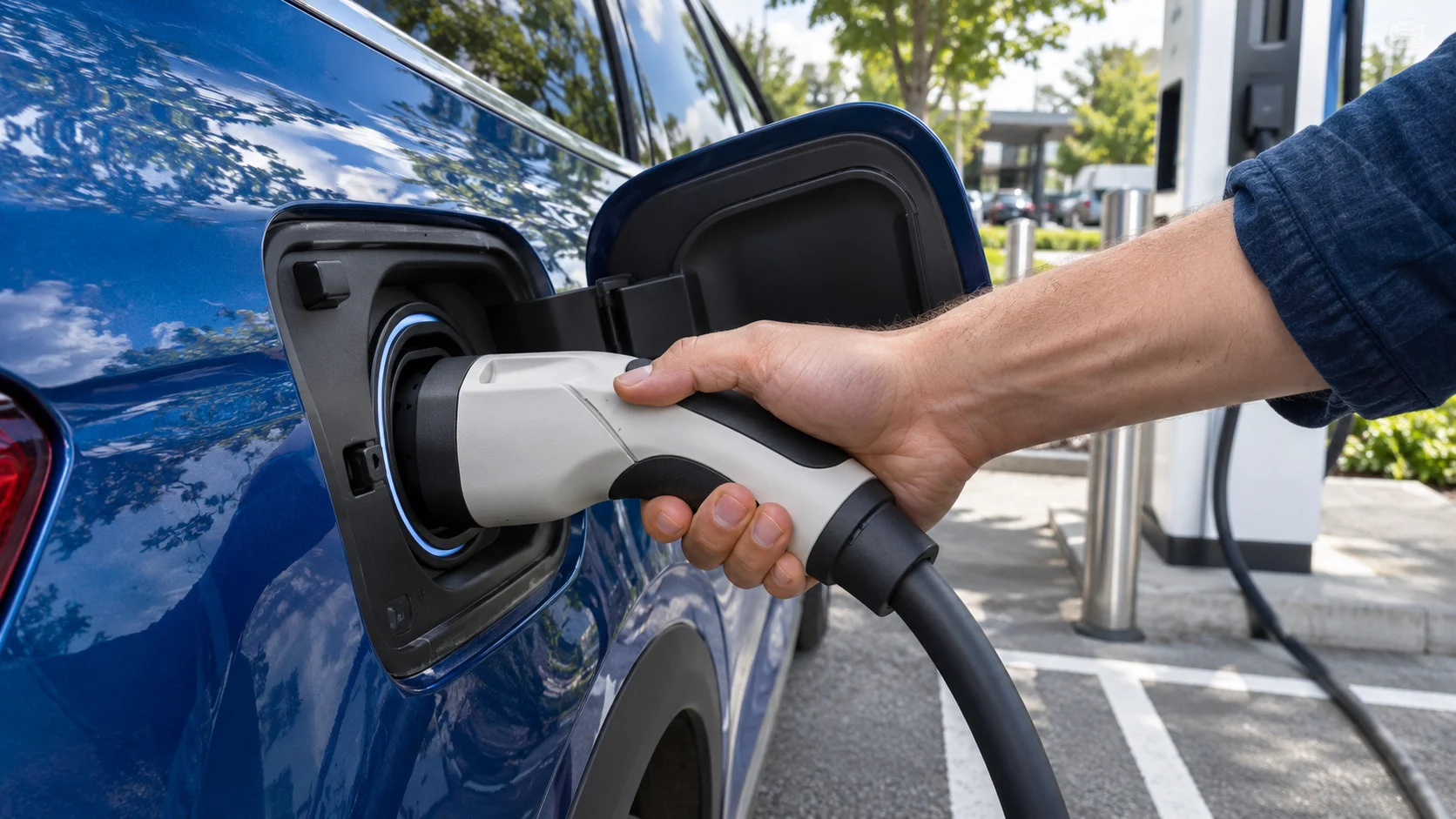
Confirm connector compatibility, access hours, payment arrangements, and parking restrictions. A pin on a map does not guarantee that a stall is available or suitable for your vehicle. Identify another nearby option when you depend on a particular location.
Read the full session price
Look for the energy price and any session, parking, or idle fees before starting. Check the operator’s current terms, especially at unfamiliar sites. A membership may change the price, but whether it helps depends on your usage. Save receipts so your charging budget reflects actual sessions rather than an advertised headline rate.
The Department of Energy’s public-charging information provides a useful starting point. At the charger, inspect the connector and cable before use and follow the displayed instructions. Report damaged equipment to the operator instead of attempting a repair.
Plan journeys around realistic charging stops
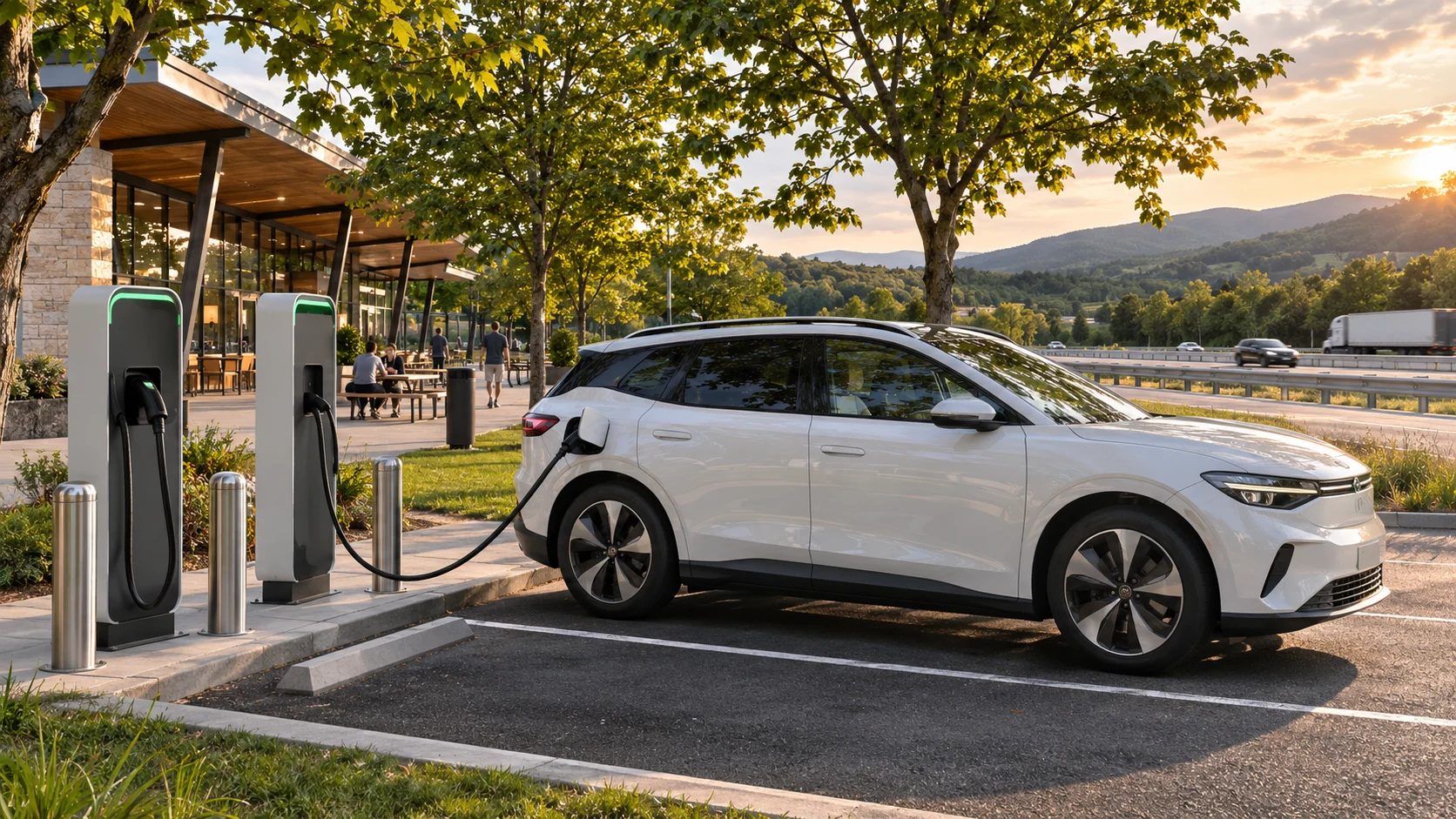
For a longer trip, review the route, likely conditions, and charging locations before leaving. Allow a practical margin for delays or a busy site. A charging stop can also provide time to rest, eat, or use facilities, but first confirm that those facilities are open when you expect to arrive.
Keep an alternative in the plan
Know your next suitable option before the battery gets low. If a charger is unavailable, make the route change while parked. Do not stretch the remaining range simply to avoid a small detour. Navigation estimates are planning aids, and actual conditions can change.
Weather can affect both energy use and charging behavior. Our guide to hot weather, EV range, and battery performance explores one common situation. For the wider preparation process, use the week-before-departure checklist alongside your vehicle’s trip-planning tools.
Keep charging simple and observable
After connecting, confirm that the car indicates charging has begun or that the intended schedule is active. Before departure, check the actual charge level rather than assuming the previous evening’s connection worked. If a session repeatedly stops, record the message and contact the appropriate equipment or vehicle support service.
Keep charging equipment clean and maintained according to its instructions. Do not use visibly damaged cables or connectors, bypass a protective device, or continue a session that produces a fault requiring you to stop. Electrical work belongs with a qualified professional.
During the first few weeks, note how much energy your ordinary journeys use and how reliably each charging location fits your schedule. That personal record is more useful than someone else’s ideal routine. Adjust gradually when your commute changes, and keep enough flexibility for the days when a meeting runs late or a usual parking space is unavailable.
A dependable routine does not need constant attention to every percentage point. It needs suitable equipment, an appropriate charge target, and a quick confirmation that the plan worked. Once those habits are established, charging can fit around ordinary life instead of becoming a fresh problem to solve before every drive.